


You’ve probably heard that luxury shoes mean spending hundreds or feeling sore feet after an hour. That’s the old story. Today’s affordable luxury shoes flip that script entirely. They combine premium aesthetics, genuine comfort, and prices that won’t wreck your budget. This shift matters for anyone who wants to look sharp without choosing between style and practicality. Understanding what separates affordable luxury from both mass-market and high-end designer footwear helps you make smarter choices. This guide breaks down the materials, craftsmanship, and pricing that define affordable luxury footwear so you can confidently build a wardrobe that works.
Table of Contents
- Key takeaways
- Understanding what defines affordable luxury shoes
- Comparing affordable luxury shoes with high-end designers
- How to identify affordable luxury shoes that fit your style and budget
- The impact of affordable luxury shoes on modern fashion trends
- Explore affordable luxury footwear at Dracoslides
- Frequently asked questions
Key Takeaways
| Point | Details |
|---|---|
| Value pricing | Affordable luxury delivers premium look and durability at a typical price range of 50 to 200 dollars. |
| Quality materials | Materials quality matters and typically uses genuine leather alternatives or high grade fabrics that mimic premium textures. |
| Craftsmanship focus | Craftsmanship emphasizes functional design and durable construction rather than hand stitching. |
| Comfort integrated | Comfort features such as cushioned footbeds and ergonomic shaping are integrated without sacrificing style. |
| Designer comparison | Designer inspired styles at accessible prices mimic aesthetics but use different materials and construction than high end designs. |
Understanding what defines affordable luxury shoes
Affordable luxury sits in a sweet spot between throwaway fast fashion and unattainable designer labels. These shoes use quality materials and craftsmanship at accessible price points, delivering the look and durability you’d expect from premium brands without the markup. The focus shifts from brand prestige to actual product quality.
Materials matter significantly here. Affordable luxury footwear often features genuine leather alternatives, high-grade synthetic fabrics, or blended materials that mimic premium textures. These choices keep costs reasonable while maintaining visual appeal and longevity. You won’t find cheap plastics or flimsy construction that falls apart after a few wears.
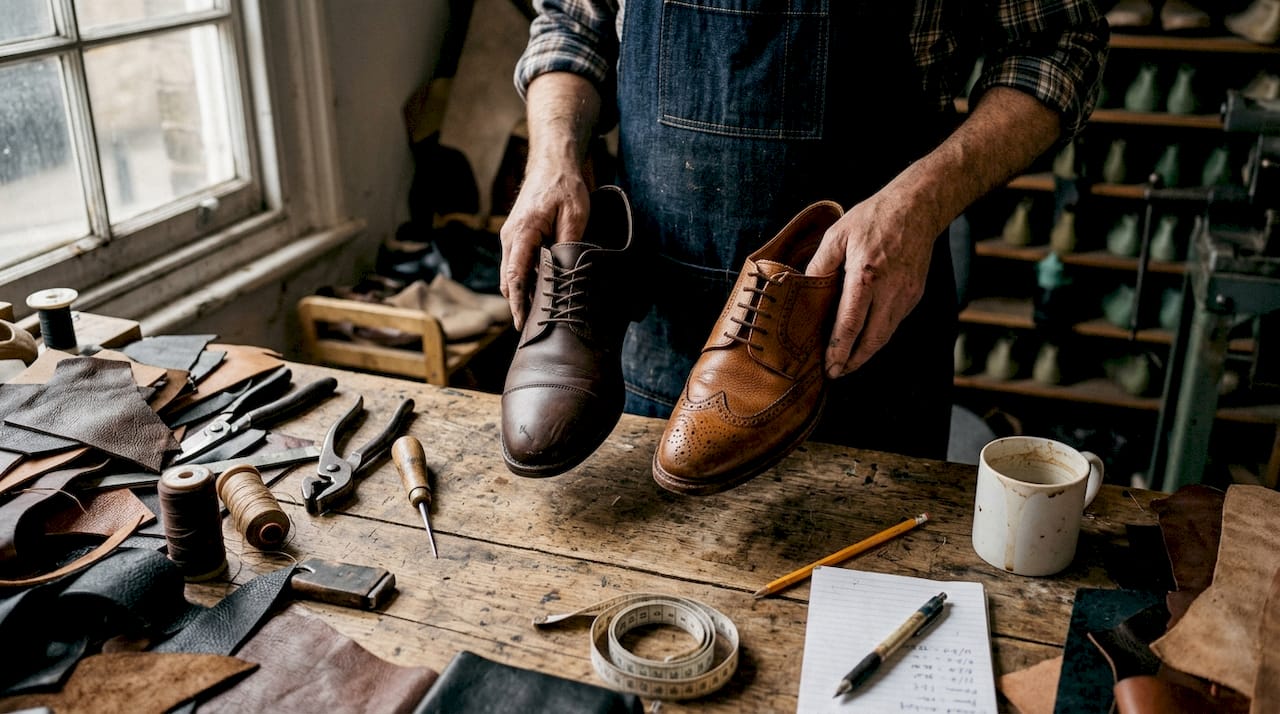
Craftsmanship in this category emphasizes functional design over hand-stitched perfection. Manufacturing processes use modern techniques that ensure consistency and durability without the labor-intensive methods that drive up designer prices. The result is footwear that holds up to daily use while looking polished.
Price ranges typically fall between $50 and $200, depending on style complexity and materials. This positions affordable luxury well above mass-market options that sacrifice quality for volume, yet far below designer shoes that can easily exceed $500. The value proposition centers on getting 80% of the luxury experience at 30% of the cost.
Style in affordable luxury footwear tracks current trends closely. Designs mirror what you’d see on runways or in high-end boutiques, adapted for everyday practicality. Clean lines, neutral palettes, and versatile silhouettes dominate because they work across multiple occasions and outfits.
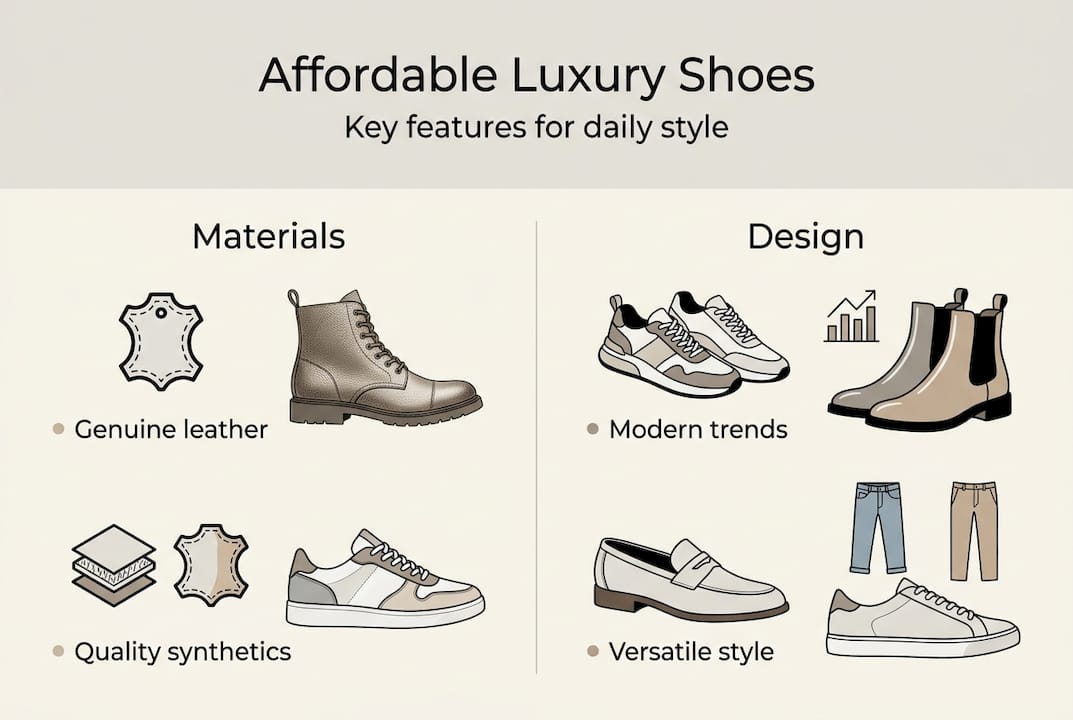
Comfort features integrate seamlessly into aesthetics. Cushioned footbeds, ergonomic shaping, and flexible materials ensure you can wear these shoes all day without regret. This balance between looking good and feeling good separates affordable luxury from both cheap alternatives and rigid designer options.
Key characteristics of affordable luxury shoes include:
- Premium-looking materials that balance cost and quality effectively
- Modern manufacturing that ensures consistency and durability
- Price points between $50 and $200 for most styles
- Trend-aware designs adapted for daily wear versatility
- Integrated comfort features that don’t compromise aesthetics
- Focus on value over brand prestige or exclusivity
Comparing affordable luxury shoes with high-end designers
The gap between affordable luxury and designer footwear comes down to four main factors: cost, materials, brand cachet, and exclusivity. Understanding these differences helps you decide where to invest your money based on actual needs rather than marketing.
Designer-inspired styles at accessible prices replicate aesthetics without the premium materials or hand-finishing that justify designer price tags. A $150 affordable luxury slide might look nearly identical to a $600 designer version, but the construction methods and material sourcing differ significantly.
High-end designers often use full-grain leather, exotic skins, or proprietary materials developed in-house. Affordable luxury brands source high-quality alternatives that deliver similar visual results and decent durability at a fraction of the cost. The difference shows up over years of heavy use, not in everyday wear.
Brand prestige drives much of the designer premium. You’re paying for heritage, exclusivity, and the status that comes with recognizable logos. Affordable luxury strips away that markup, focusing budget on the product itself rather than advertising campaigns or celebrity endorsements.
Comfort and style balance effectively in both categories, but affordable luxury often prioritizes wearability over artistic vision. Designer shoes sometimes sacrifice comfort for dramatic aesthetics, while affordable luxury aims for styles you’ll actually wear regularly.
| Feature | Affordable luxury | High-end designer |
|---|---|---|
| Price range | $50-$200 | $400-$1500+ |
| Materials | Quality synthetics, leather alternatives | Premium leather, exotic materials |
| Craftsmanship | Modern manufacturing, consistent quality | Hand-finished, artisan techniques |
| Comfort focus | High priority, integrated design | Variable, style-dependent |
| Brand exclusivity | Accessible, trend-focused | Limited, prestige-driven |
| Style versatility | Everyday practicality emphasized | Statement pieces, occasion-specific |
Pros of affordable luxury footwear:
- Significant cost savings without obvious quality compromise
- Comfort features prioritized for daily wear
- Trend-current styles updated frequently
- Lower financial risk when experimenting with new looks
- Accessible to broader consumer base
Pros of high-end designer shoes:
- Premium materials with exceptional longevity
- Meticulous craftsmanship and attention to detail
- Brand prestige and status signaling
- Potential investment value for limited editions
- Unique designs not widely replicated
Pro Tip: Prioritize comfort and durability over brand hype for everyday wear. A $150 pair you wear three times weekly delivers better value than $800 designer shoes you save for special occasions. Focus on how footwear fits your actual lifestyle rather than aspirational moments.
How to identify affordable luxury shoes that fit your style and budget
Choosing the right affordable luxury footwear requires a systematic approach that balances style preferences, comfort, and pricing smartly. Follow these steps to make confident decisions that enhance your wardrobe without overspending.
-
Research brands that specialize in affordable luxury footwear rather than mass-market retailers. Look for companies that transparently discuss materials, manufacturing, and design philosophy. Check customer reviews focusing on durability and comfort after extended wear, not just initial impressions.
-
Examine material specifications closely. Quality affordable luxury uses terms like “premium synthetic leather,” “memory foam footbeds,” or “reinforced stitching.” Vague descriptions like “high-quality materials” without specifics often signal corner-cutting. Compare material lists across brands to understand what’s standard at different price points.
-
Assess comfort features relevant to your daily routine. If you walk several miles daily, prioritize cushioned insoles and arch support. For mostly indoor wear, focus on breathability and flexibility. Try shoes on at the end of the day when feet are slightly swollen to test true comfort levels.
-
Evaluate style compatibility with your existing wardrobe. Affordable luxury works best when pieces integrate seamlessly rather than standing out awkwardly. Choose neutral colors and classic silhouettes first, then add statement pieces once basics are covered. Consider whether a style works across casual, semi-formal, and active contexts.
-
Calculate cost per wear to determine real value. A $120 pair worn 100 times costs $1.20 per wear, while $60 shoes worn 20 times cost $3 per wear. Factor in expected longevity based on construction quality and how frequently you’ll actually reach for them.
-
Compare prices across authorized retailers and direct-to-consumer brands. Affordable luxury brands often sell through their own websites at better prices than department stores. Watch for seasonal sales, but verify that discounted items aren’t last season’s returns or defective stock.
-
Test return policies before committing to unfamiliar brands. Generous return windows let you wear shoes indoors for a few days to assess true comfort and fit. This matters more with online purchases where you can’t try before buying.
-
Start with versatile foundational pieces rather than trendy statement shoes. A neutral slide or sneaker in affordable luxury quality elevates dozens of outfits. Once you’ve established basics, experiment with bolder colors or unique designs.
Pro Tip: Prioritize versatility and comfort to get lasting value from affordable luxury purchases. Shoes that work across multiple contexts and feel good all day deliver better returns than hyper-specific styles that limit when and how you wear them. Build a rotation of three to four pairs rather than buying a single expensive option.
The impact of affordable luxury shoes on modern fashion trends
Affordable luxury footwear has democratized fashion by making luxury aesthetics accessible to audiences previously priced out of premium markets. This shift influences how young adults and Gen Z approach personal style, breaking down barriers between exclusivity and everyday wear.
The rise of affordable luxury creates more diverse street style landscapes. When luxury aesthetics aren’t limited to high-income consumers, fashion becomes more experimental and individualistic. You see premium-looking footwear paired with thrifted pieces, fast fashion mixed with investment items, and style hierarchies flattening significantly.
Social media amplifies this democratization effect. Influencers and everyday users showcase affordable luxury finds alongside designer pieces, making it harder to distinguish price points visually. This visibility challenges the notion that style requires massive spending, encouraging creativity over consumption.
Market data reflects this cultural shift clearly:
| Year | Affordable luxury footwear market share | Average price point | Consumer age demographic |
|---|---|---|---|
| 2022 | 18% | $95 | 25-34 primary |
| 2023 | 23% | $105 | 22-32 primary |
| 2024 | 29% | $115 | 20-30 primary |
| 2025 | 34% | $120 | 18-28 primary |
| 2026 | 38% (projected) | $125 (projected) | 18-28 primary |
This growth trajectory shows affordable luxury capturing share from both mass-market and high-end segments simultaneously. Consumers trade up from cheap options while designer brands lose customers unwilling to pay premium markups for similar aesthetics.
Effects on fashion culture and consumer behavior include:
- Increased style diversity as luxury looks become accessible across income levels
- Greater emphasis on personal expression over brand signaling
- Shift from aspiration to practicality in footwear purchasing decisions
- Reduced stigma around wearing non-designer luxury-inspired pieces
- Empowerment of consumers to prioritize quality and comfort over labels
- Acceleration of trend cycles as affordable options appear faster
Affordable luxury particularly resonates with Gen Z consumers who value authenticity and practicality over traditional status symbols. This generation grew up with fast fashion but increasingly rejects its quality and sustainability issues. Affordable luxury offers a middle path that satisfies both style ambitions and practical constraints.
The category also enables more frequent wardrobe updates without financial strain. Instead of saving for one designer purchase annually, consumers can refresh their footwear rotation seasonally with affordable luxury options. This flexibility supports evolving personal style rather than locking into expensive long-term commitments.
Explore affordable luxury footwear at Dracoslides
Now that you understand what separates affordable luxury from other footwear categories, finding the right pieces becomes straightforward. Dracoslides specializes in designer-inspired slides that deliver premium aesthetics, genuine comfort, and accessible pricing for fashion-conscious consumers.
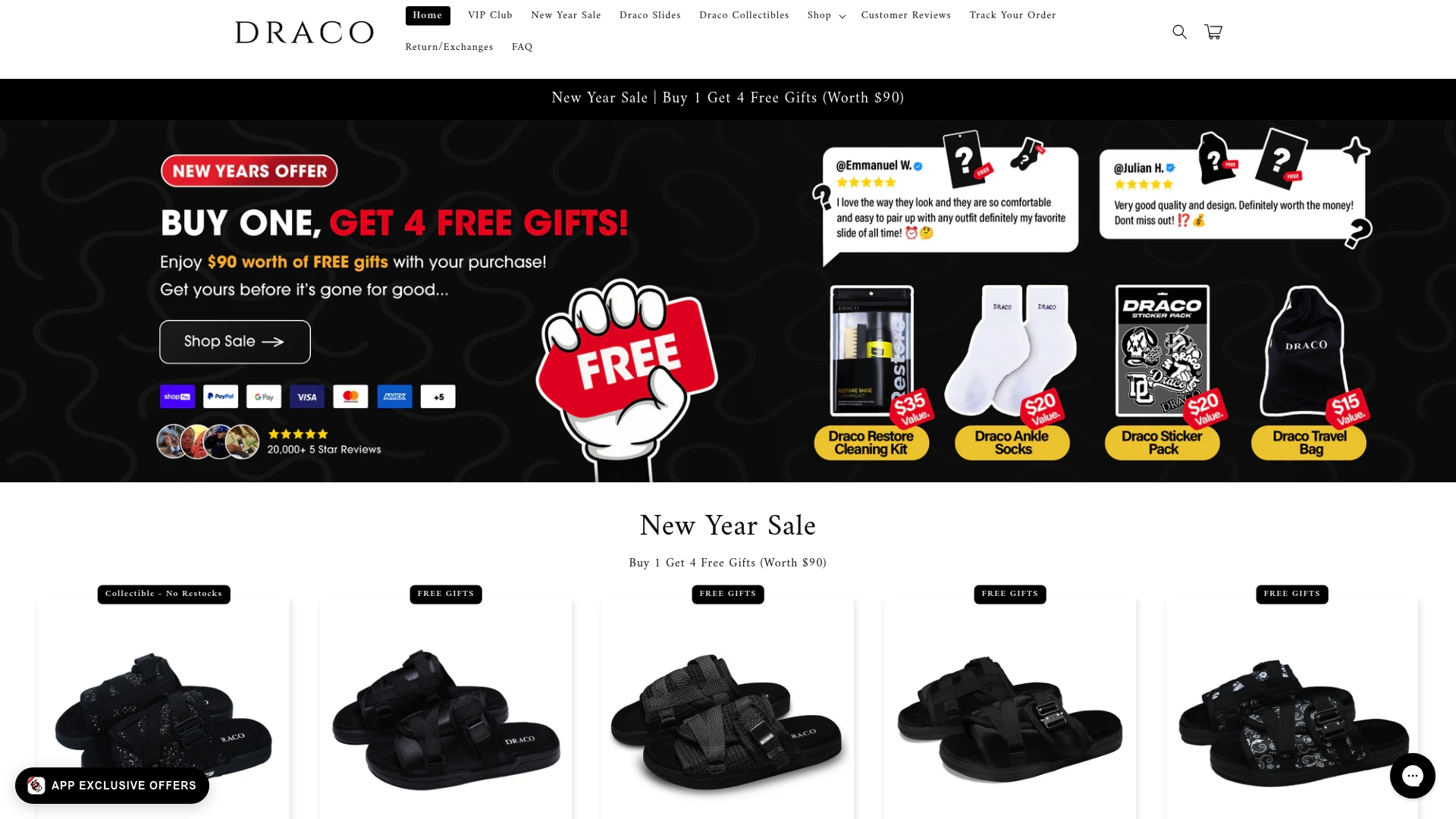
Our distressed slides collection combines trending vintage aesthetics with modern comfort technology. Each pair features cushioned footbeds and durable construction that holds up to daily wear while maintaining that coveted luxury look. These slides work equally well for casual outings, lounging, or making a statement in streetwear fits.
Explore bundle options that maximize value without compromising quality. Curated collections let you build a versatile rotation at better prices than buying individually. Current seasonal sales offer 40-50% off select styles, making affordable luxury even more accessible. Browse the full range to find slides that match your personal style and elevate your everyday wardrobe effortlessly.
Frequently asked questions
What separates affordable luxury shoes from designer luxury footwear?
Affordable luxury focuses on quality materials and construction at accessible price points, typically $50-$200, while designer luxury emphasizes brand prestige, exclusive materials, and artisan craftsmanship at $400-$1500+. The visual aesthetics often overlap significantly, but affordable luxury prioritizes practical comfort and value over status signaling. Designer shoes may use exotic leathers and hand-finishing techniques that affordable luxury replicates through modern manufacturing and quality alternatives.
What price range qualifies as affordable luxury for shoes?
Affordable luxury footwear typically ranges from $50 to $200 depending on style complexity and materials used. This positions the category well above mass-market options under $50 that sacrifice quality, yet far below designer shoes exceeding $400. The sweet spot around $100-$150 delivers premium aesthetics and genuine comfort without the brand markup that drives designer pricing into luxury territory.
Do affordable luxury shoes offer comparable durability to designer brands?
Affordable luxury shoes provide solid durability for regular wear, typically lasting 1-3 years with proper care compared to 3-5+ years for premium designer footwear. The gap comes from material differences and construction methods rather than design flaws. Quality affordable luxury uses durable synthetics and reinforced stitching that handle daily use well, while designer brands employ premium leathers and artisan techniques that extend lifespan significantly. For most consumers, affordable luxury durability matches their replacement cycle preferences.
Are affordable luxury shoes worth buying for everyday wear?
Absolutely. Affordable luxury shoes excel at everyday wear because they balance comfort, style, and price specifically for regular use. Unlike designer shoes you might reserve for special occasions, affordable luxury pieces work hard in your daily rotation without financial anxiety. The integrated comfort features and practical designs mean you’ll actually wear them frequently, maximizing cost per wear value. This category suits anyone wanting to look polished daily without overspending on footwear.
Where can I find authentic affordable luxury footwear collections?
Authentic affordable luxury footwear comes from specialized direct-to-consumer brands like Dracoslides that focus on quality and value rather than retail markups. Shopping directly through brand websites typically offers better prices and selection than department stores. Look for companies with transparent material specifications, detailed product descriptions, and generous return policies. Customer reviews focusing on long-term durability and comfort provide reliable quality indicators beyond marketing claims.


