


Finding slides that deliver comfort, luxury, and affordability feels impossible when you’re chasing that perfect balance for casual outings and social events. Most options force you to choose between style and support, leaving your feet sore or your wallet empty. This guide teaches you how to create personalized fashion statement slides using simple materials and step-by-step techniques. You’ll master the art of crafting slides that rival retail options in both look and feel, all while expressing your unique style. From selecting the right materials to adding eye-catching embellishments, you’ll gain the skills to make affordable slides that turn heads without sacrificing comfort.
Table of Contents
- Key takeaways
- What you need: materials and preparation
- Step-by-step tutorial to create your fashion statement slides
- Troubleshooting common mistakes and maximizing comfort
- Affordable stylish slide options: comparing ready-made and DIY
- Explore Dracoslides for stylish and comfortable slides
- FAQ
Key Takeaways
| Point | Details |
|---|---|
| Foot templating essential | Foot templating guides sole cutting and prevents blisters by matching the wearer’s unique foot shape. |
| Material selection matters | EVA foam or rubber soles provide cushioning and durability for daily wear. |
| Adjustable straps improve fit | Buckles or Velcro straps accommodate wider feet or bunions for a customized secure fit. |
| Embellishments personalize style | Add charms, fur, rhinestones, or fabric paint after securing the base structure to express your style. |
What you need: materials and preparation
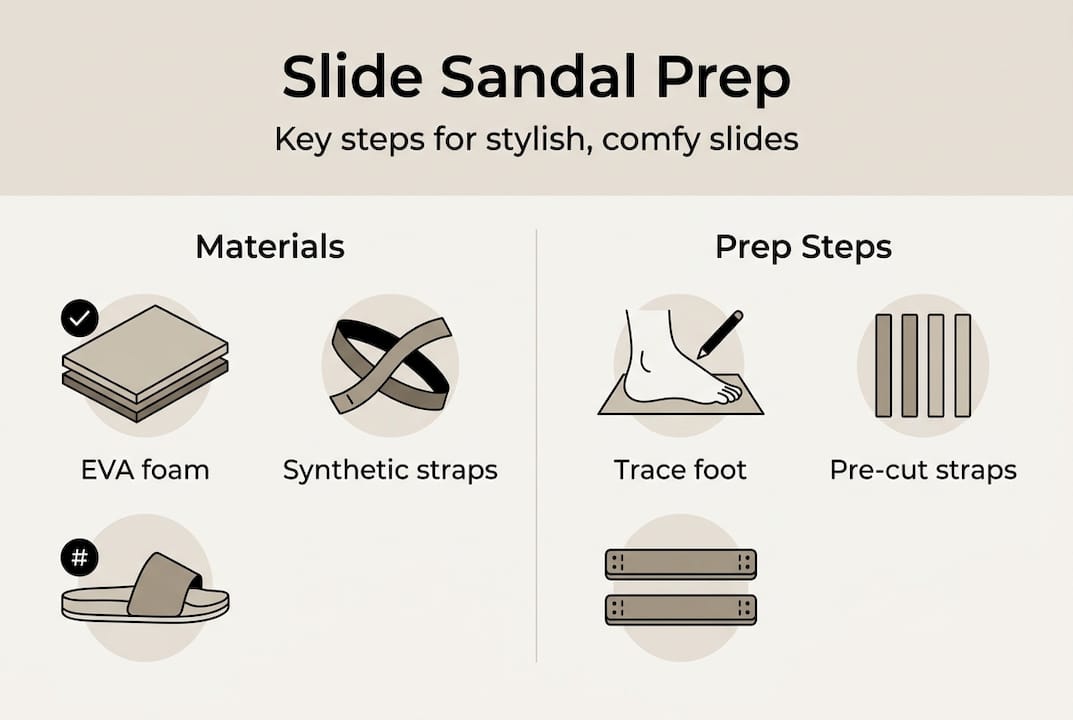
Gathering the right materials sets the foundation for slides that look professional and feel comfortable. You’ll need EVA foam or rubber soles as your base, which provide the cushioning and durability essential for daily wear. Leather or synthetic straps form the upper portion, with synthetic options offering water resistance for poolside or beach outings. Basic tools include sharp scissors or a craft knife for precise cutting, strong adhesive suitable for footwear materials, and a marker for templating.
Foot templating is critical for fit and comfort. Stand on cardboard and trace your foot outline with a marker, then add 0.25 inches around the perimeter for movement space. This template guides your sole cutting and ensures your slides accommodate your exact foot shape. Skipping this step leads to pinching, blisters, or slides that slip off during wear.
Water-resistant and adjustable materials suit different scenarios and foot shapes. Synthetic leather handles moisture better than genuine leather, making it ideal for summer outings. Adjustable buckles or Velcro straps accommodate wider feet or bunions, providing customization that fixed straps can’t match. For embellishments, gather items like colorful charms, faux fur strips, rhinestones, or fabric paint to add personality.
Pro Tip: Purchase materials from craft stores during sales to cut costs by 30 to 40 percent. Foam sheets and synthetic leather remnants often appear in clearance sections, perfect for slide projects.
Preparation ensures smooth execution. Lay out all materials on a clean workspace and pre-cut straps to approximate lengths before gluing. Test your adhesive on scrap materials to confirm it bonds properly and dries clear. Understanding slide sandal materials helps you make informed choices about durability and comfort. Consider why cushioned slides matter for all-day wear, especially if you plan to stand or walk extensively.
| Material | Purpose | Cost range |
|---|---|---|
| EVA foam sheets | Sole base and cushioning | $8 to $15 per sheet |
| Synthetic leather | Straps and upper design | $6 to $12 per yard |
| Footwear adhesive | Bonding straps to sole | $5 to $10 per tube |
| Embellishments | Personalization and style | $3 to $20 depending on type |
Step-by-step tutorial to create your fashion statement slides
Start with a clean pair of basic flip-flops or blank slide soles as your foundation. Remove any existing straps if using flip-flops, leaving only the sole. Clean the surface with rubbing alcohol to ensure adhesive bonds properly. Place your foot template on the sole and mark where straps should sit, typically across the widest part of your foot for secure fit.
- Cut your EVA foam or rubber sole using the foot template as a guide, adding slight curves at the toe and heel for natural foot shape.
- Measure and cut strap material to wrap across your foot width plus 2 inches on each side for attachment points.
- Apply footwear adhesive to strap ends and press firmly onto the sole at marked positions, holding for 30 seconds.
- Allow adhesive to cure for the time specified on the product label, usually 24 hours for maximum strength.
- Add embellishments like charms or fur by sewing or gluing them to strap surfaces once the base structure is secure.
Templating foot shape precisely prevents the most common DIY slide problem: blisters from poor fit. Your template should capture any unique foot characteristics like high arches or wide toe spreads. When cutting straps, consider that materials like leather stretch slightly over time, so start with a snug fit that allows one finger to slide under the strap comfortably.
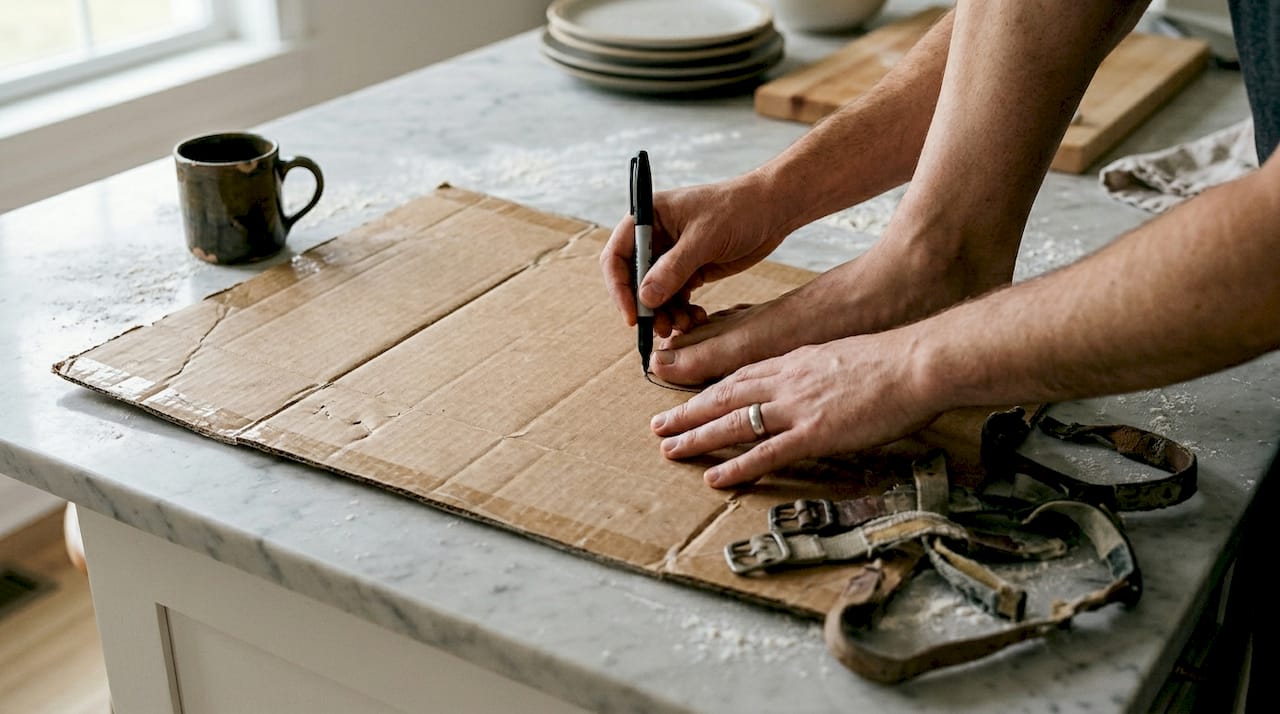
Transforming flip-flops into slides offers creative customization options including upcycling sneakers, adding fluffy boa, sewing custom patterns, or attaching statement hardware. These methods let you express personal style while maintaining the comfort benefits of proper construction. For colorful embellishments, hot glue works well for charms and rhinestones, while fabric glue suits fur or fabric additions.
Pro Tip: Test walk your slides indoors on carpet before finalizing the design. This reveals pressure points or loose straps that need adjustment without damaging the soles on pavement.
Customization separates your slides from mass-produced options. Sew contrasting thread patterns into leather straps for visual interest, or layer different colored foam sheets for a platform effect. Add safety pins with colorful beads for an edgy look, or glue small mirrors for festival-ready flash. The key is balancing decoration with function so embellishments don’t create uncomfortable bumps against your foot. Understanding how to choose slide sandals based on activity and style preferences helps you make design decisions that serve both fashion and comfort.
Troubleshooting common mistakes and maximizing comfort
Accurate foot templating prevents the majority of fit issues. Many first-time makers trace their foot while sitting, which doesn’t account for how feet spread under body weight. Always stand when creating your template, and trace in the afternoon when feet are slightly swollen from daily activity. This ensures your slides accommodate natural foot expansion throughout the day.
Walk-test your slides and adjust straps before considering them finished. Put them on and walk around your home for 15 minutes, noting any rubbing, slipping, or pressure points. Straps that feel perfect while standing often reveal issues during movement. If straps slip, add a small piece of foam padding underneath for grip. If they rub, sand rough edges smooth or add a thin fabric lining.
Using water-resistant materials extends slide lifespan and versatility. Synthetic leather and treated fabrics resist moisture damage from rain, pool splashes, or sweat. This matters for social outings where you can’t predict weather or environment. Breathable materials like perforated leather or mesh panels prevent the sweaty foot discomfort that ruins summer footwear.
Adjustable buckles benefit wide feet or bunions by allowing custom tension across different foot areas. Standard fixed straps often create pressure on bunion joints or squeeze wide toe spreads. Adding small buckles or elastic inserts to your DIY slides accommodates these variations without compromising style. This adjustment transforms slides from occasionally wearable to everyday comfortable.
“Ensure precise foot templating to avoid blisters; test walk-ins for fit adjustments; use water-resistant materials for outings; wide feet and bunions prefer adjustable buckles for optimal comfort.”
Pro Tip: Apply a thin layer of clear nail polish to strap edges after cutting to prevent fraying and create a finished look that mimics professional construction.
Care tips maintain both appearance and support over time. Clean EVA foam soles with mild soap and water, avoiding harsh chemicals that degrade foam structure. Store slides in a cool, dry place away from direct sunlight, which can cause materials to crack or fade. Reapply adhesive to any loosening straps immediately rather than waiting for complete detachment. Understanding EVA foam comfort properties helps you recognize when foam compression indicates it’s time to replace soles.
Common mistakes include using too much adhesive, which creates lumpy surfaces under straps, and cutting straps too narrow, which concentrates pressure painfully. Aim for strap widths of 1.5 to 2 inches for comfortable weight distribution. Another frequent error is skipping the curing time for adhesive, leading to straps that detach during first wear. Patience during construction saves frustration later.
Affordable stylish slide options: comparing ready-made and DIY
Retail slides under $50 offer proven comfort features and immediate wearability. KuaiLu orthotic slides at $25 provide arch support specifically praised for plantar fasciitis relief, while Time and Tru woven slides cost just $6 and deliver surprising versatility. Chaco Chillo slides at $30 support foot pain management, and Odoly cork slides at $20 compete directly with premium Birkenstock quality.
DIY slides provide unique customization and fashion statement opportunities that retail options can’t match. You control every design element from strap color to embellishment placement, creating truly one-of-a-kind footwear. This personalization matters for fashion-conscious individuals who want their accessories to reflect personal style rather than mass market trends. The creative process itself becomes part of the value, offering satisfaction beyond the finished product.
Comfort benchmarks from professional testing reveal that Reef Cushion Vera Cruz ranks best overall, Birkenstock Boston leads for clogs, and Chaco excels for arch support. Prioritizing EVA foam, memory foam, or cork insoles in your DIY project helps you match these comfort standards. Adjustable straps enable all-day wear by preventing the foot fatigue that comes from fighting ill-fitting footwear.
| Feature | Retail slides (under $50) | DIY slides |
|---|---|---|
| Price range | $6 to $30 | $15 to $35 in materials |
| Comfort features | Proven arch support, tested cushioning | Customizable to your exact foot shape |
| Style options | Limited to available designs | Unlimited personalization |
| Personalization | None or minimal | Complete control over every element |
| Time investment | Immediate purchase and wear | 2 to 4 hours construction plus curing time |
| Durability | Manufacturer tested | Depends on material quality and construction care |
Choosing materials like EVA foam and adjustable straps optimizes comfort in DIY projects. EVA foam compresses slightly under weight, creating custom contouring to your foot over the first few wears. This personalized fit often exceeds retail slides that use generic foot molds. Memory foam inserts added to your sole template provide extra cushioning for pressure points.
Consider your priorities when deciding between retail and DIY. If uniqueness and creative expression matter most, DIY delivers unmatched value. If you need reliable comfort immediately without time investment, quality retail slides serve you better. Many slide enthusiasts do both, using retail options for everyday wear and DIY creations for special occasions or statement looks. Exploring how to choose slides for comfort and style and understanding the 7 essential types of slide sandals helps you make informed decisions for different situations.
Explore Dracoslides for stylish and comfortable slides
Now that you’ve mastered DIY slide creation, complement your skills with curated options from Dracoslides that blend style, comfort, and affordability. The brand specializes in designer-inspired slides featuring cushioned footbeds and bold designs perfect for fashion-conscious individuals. Whether you’re looking for everyday wear or statement pieces for social outings, Dracoslides offers options that align with the comfort principles you’ve learned.
Explore coordinating accessories and apparel to complete your slide-centered looks. The Superstar Hoodie pairs perfectly with casual slide outfits, creating cohesive streetwear aesthetics. Browse slide sandal accessories including socks designed specifically for slide wear and headwear that complements your footwear choices. For budget-conscious shoppers, check out gifts under $50 featuring affordable options that maintain the quality and style standards you’ve come to expect. These ready-made options save time while delivering the comfort and fashion-forward designs that matter to your lifestyle.
FAQ
What materials are best for creating comfortable slide sandals?
EVA foam, cork insoles, and memory foam provide the best foundation for comfortable DIY slides. These materials offer cushioning that adapts to your foot shape while providing support for all-day wear. Adjustable straps made from synthetic leather or treated fabric add customization and water resistance. Understanding slide sandal materials helps you select options that balance durability with comfort for your specific needs.
How can I personalize my slides to make a unique fashion statement?
Add charms, colorful straps, faux fur, or sewn designs to reflect your personal style and create conversation pieces. Rhinestones, fabric paint, and layered materials offer additional customization options that transform basic slides into unique accessories. The key is balancing decoration with comfort so embellishments enhance rather than interfere with wearability. Learning how to choose slide sandals based on style preferences helps you make design decisions that serve both fashion and function.
Are affordable slides as comfortable as luxury brands?
Yes, affordable slides with supportive materials rival luxury brands in comfort when constructed properly. Budget options using EVA foam, memory foam, or cork deliver cushioning and arch support comparable to premium pricing. The difference often lies in branding and marketing rather than actual comfort performance. Prioritizing proven materials and proper fit ensures your affordable or DIY slides provide the support your feet need. Discover why slide sandals work for various activities and how material choices impact long-term comfort.
What are common mistakes to avoid when making DIY slides?
Avoid imprecise foot templating and insufficient walk-testing, which cause blisters and discomfort during actual wear. Using too much adhesive creates lumpy surfaces, while cutting straps too narrow concentrates pressure painfully on your feet. Skipping the adhesive curing time leads to straps detaching during first use. Always stand when creating foot templates to account for natural foot spread under body weight. Understanding EVA foam comfort properties helps you select appropriate materials and avoid common construction errors that compromise wearability.


